As an Amazon Associate we earn from qualifying purchases. Learn more.
Umbrella Base Types Compared: Sand, Water, Concrete — Which to Use? (2026)
Hosting late-season outdoor gatherings means unpredictable gusts and chilly evenings — a wobbly umbrella can ruin an evening. This head-to-head compares three popular umbrella bases (concrete, multi-piece sand-fill, and wheeled fillable) to show the stability vs portability tradeoffs so you can pick the best anchored shade solution for windy patios. I examined each model's materials, fill weight, footprint and customer feedback on durability, ease of setup and movement, and ordered products by performance and buyer praise.
Quick Answer
For maximum stability in windy late-season hosting, choose the VredHom concrete umbrella base (B0CTQCBH2V) — its solid cement-and-steel construction gives the lowest tip risk. If you need mobility, the FRUITEAM fillable base (B0BLYX81S1) with wheels is the most portable; for cantilever umbrellas that need heavy, modular weight, the Giantex 4PCS fillable base (B082HZQFDF) balances heft and storage.
Our Top Picks
Quick Comparison
Select 2-3 products to compare side-by-side
| Compare | Product | GardenVerve Score | Price Tier | Key Feature | Best For | Action |
|---|---|---|---|---|---|---|
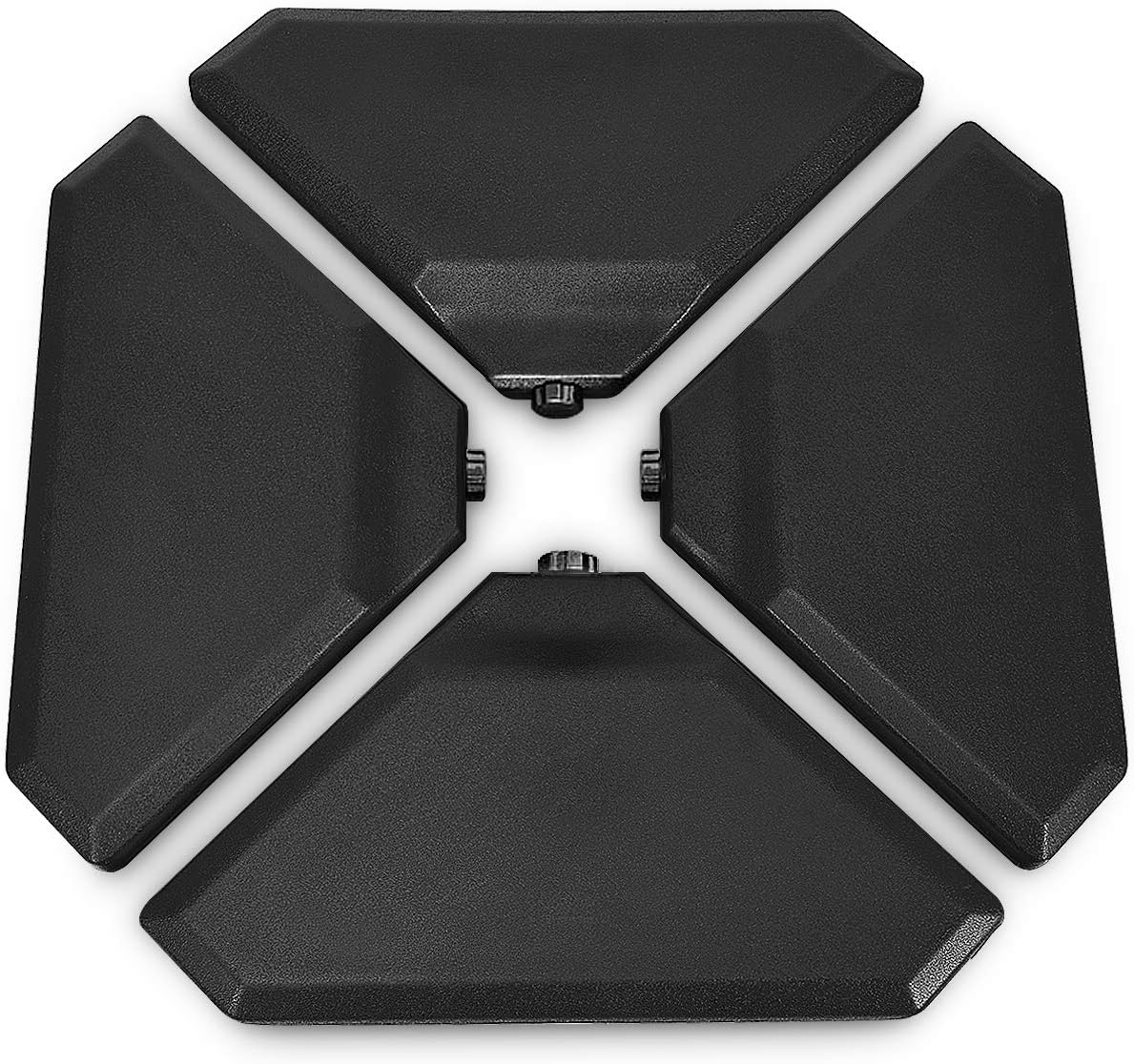 Giantex 4PCS Offset Base |
Mid-Range | Modular 4-piece fillable plates | Cantilever & large umbrellas | Check Price | ||
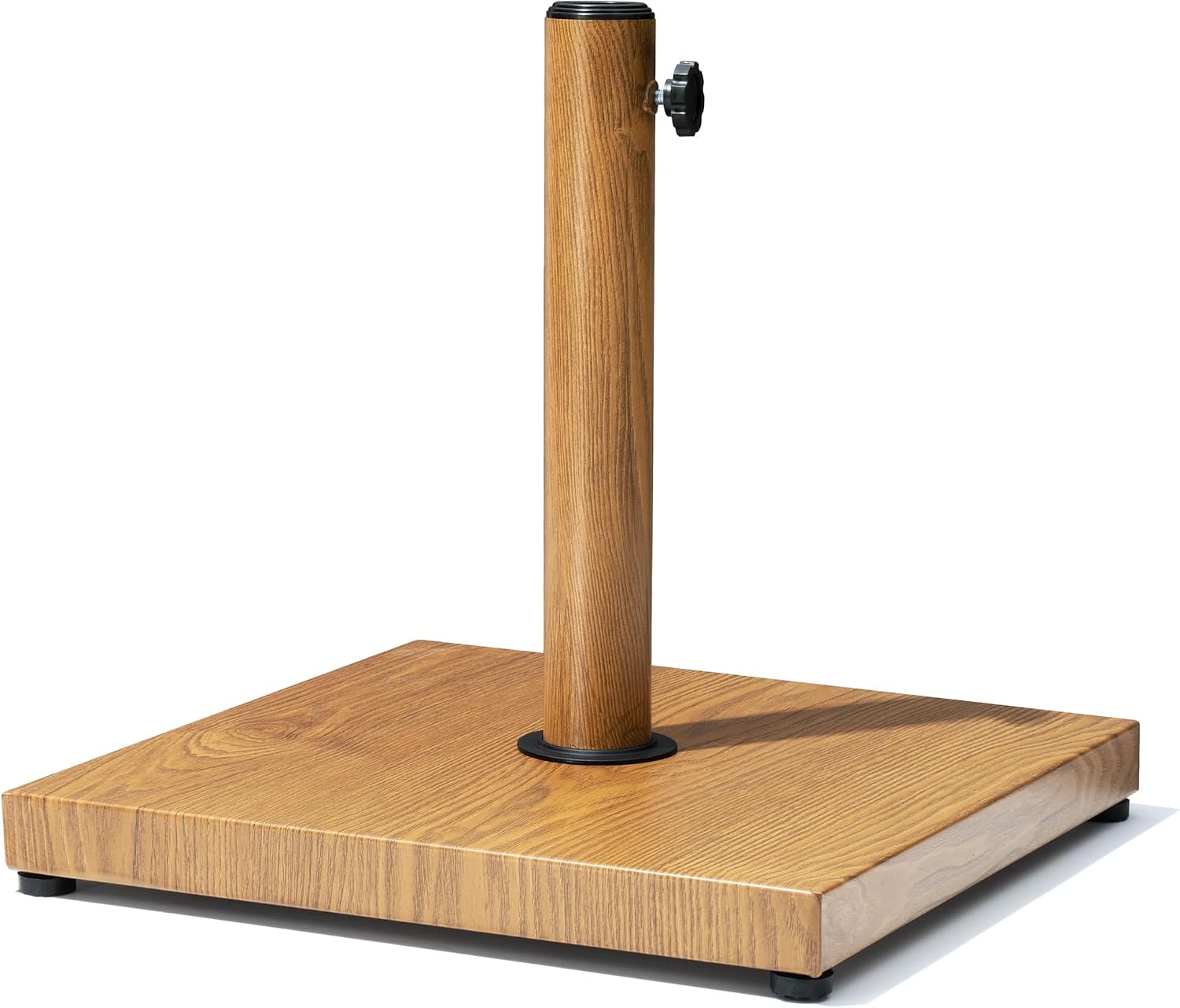 VredHom Concrete Stand |
Premium | Solid concrete core with powder-coated steel | Maximum low-profile stability | Check Price | ||
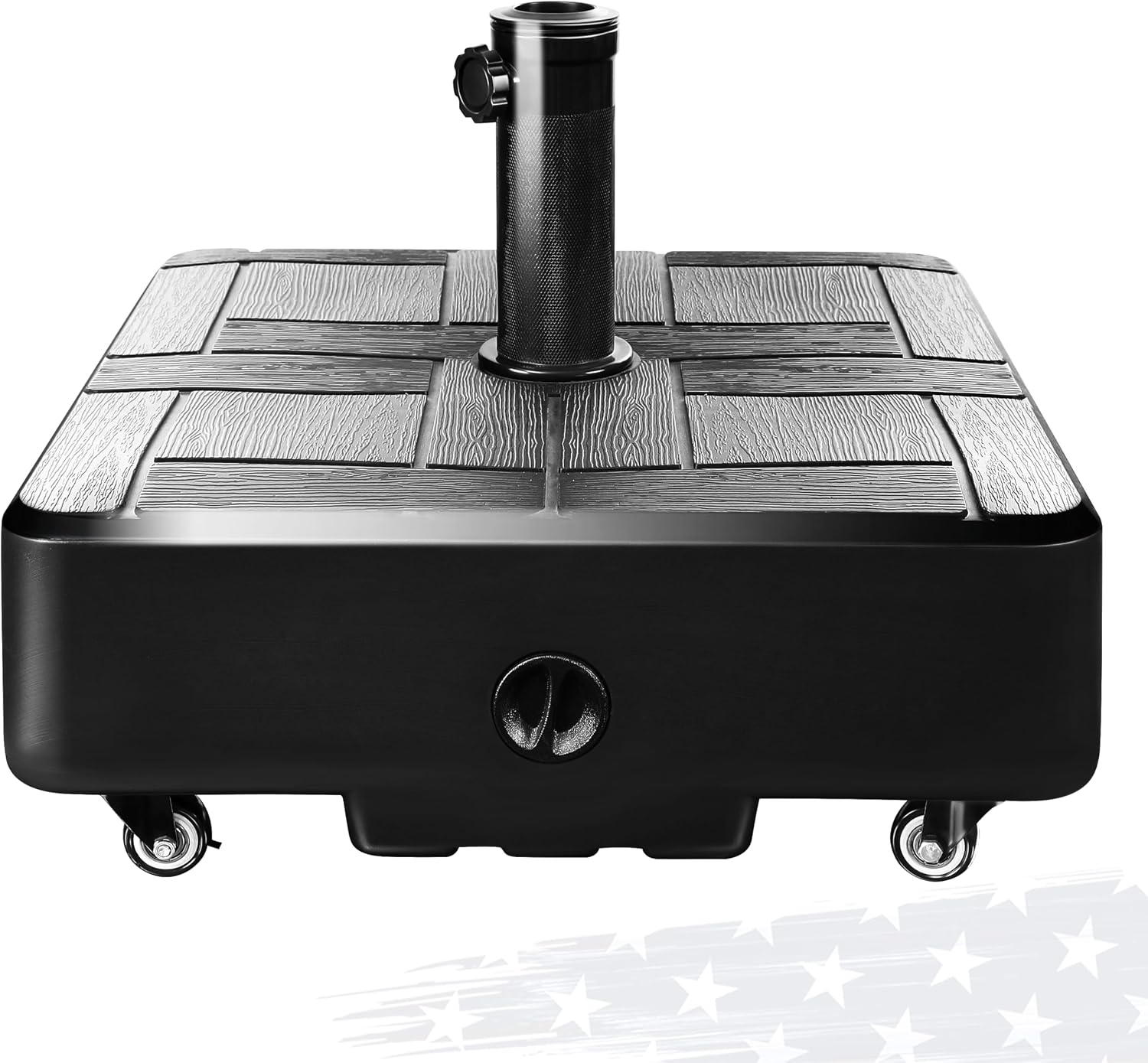 FRUITEAM Fillable Mobile Base |
Budget | Integrated wheels and two locks | Portable, easy-to-move setups | Check Price |
1. Giantex 4PCS Patio Offset Umbrella Base Weight, 195 lbs Water Sand Filled Umbrella Stand for Cantilever Offset Umbrella, Outdoor Market Umbrella Base with Easy-Filling Spouts
A modular fillable base designed for offset/cantilever umbrellas that assembles into a heavy 195 lb support when filled. The PE plates are weather resistant, easy to fill with included spouts and funnel, and disassemble for storage or transport.
Key Specs
- Material: Weather-resistant PE (injection molded)
- Filled weight: Up to ~195 lbs (wet sand, four plates combined)
- Design: Four triangle plates form a square; includes 1.5" spouts and PVC funnel
- Extras: Concave handles and 4 galvanized pins for locking pieces
Pros
- Heavier when filled than single-piece plastic bases like FRUITEAM
- Easier to store and move in pieces than a one-piece concrete base
- Designed for cantilever umbrellas — better footprint and balance
Cons
- Requires time and effort to fill with wet sand vs plug-and-use concrete
- Plastic construction may feel less long-term durable than cement
Best For: Cantilever & large umbrellas
Check Latest Price on Amazon2. Patio Umbrella Base, 43lbs Outdoor Heavy Duty Square Concrete Stand Market Umbrella, Teak Brown
A one-piece concrete-and-steel umbrella base that delivers a low center of gravity and a compact footprint. It accepts multiple pole diameters and is built to sit permanently on patios where you want the least umbrella movement in wind.
Key Specs
- Material: Cement core with powder-coated steel outer shell
- Pole fit: Includes caps for 1 3/8", 1 1/2", and 1 8/9" diameters
- Dimensions: 19.68" L x 17.72" W x 17.72" H; thickness ~1.57"
- Finish: Teak brown powder coating
Pros
- More stable in gusts than most fillable plastic bases due to solid mass
- Lower-profile look that blends with patio furniture better than bulky modular bases
- Simpler 'set-and-forget' installation — no filling required
Cons
- Far less portable than fillable or multi-piece bases — hard to move once placed
- Some customers reported durability issues over time compared with steel-only options
Best For: Maximum low-profile stability
Check Latest Price on Amazon3. FRUITEAM Fillable Mobile Umbrella Base, 100 LBS Patio Umbrella Weight Base Heavy-Duty,Plastic Base Water & Sand Filled Umbrella Stand Holder with 4 Wheels, Easy to Move
A budget-friendly fillable base built from high-density polyethylene with integrated caster wheels and locks for mobility. Holds water or sand and fits straight-pole market umbrellas in the 6–9 ft range.
Key Specs
- Material: High-density polyethylene (recyclable plastic)
- Fill capacity: 57 liters water / ~83.5 lbs sand (98 lbs wet sand)
- Fits poles: 1.49"–1.89" diameter (6–9 ft umbrellas)
- Mobility: 4 wheels, 2 locking casters
Pros
- Much easier to move around than VredHom concrete and Giantex when empty
- Good value for the price and simple to set up
- Wheels and locks make repositioning for late-season wind lines straightforward
Cons
- Less ultimate weight and wind resistance than Giantex (when filled) or concrete
- Some users report hardware corrosion or durability concerns over time
Best For: Portable, easy-to-move setups
Check Latest Price on AmazonWhich One Should You Choose?
If you want the single most stable, low-profile base for gusty late-season hosting, pick the VredHom concrete stand (B0CTQCBH2V) — it’s the simplest path to a heavy, reliable anchor. If you need the lightest, most mobile option to move and store seasonally, choose the FRUITEAM fillable base (B0BLYX81S1) for its wheels and quick mobility. If you host under a cantilever or large offset umbrella and want a strong but storable solution, go with the Giantex 4PCS modular base (B082HZQFDF) — it reaches very high filled weight yet breaks down for transport and storage. In short: VredHom for stationary strength, FRUITEAM for portability/value, Giantex for the best balance on large offset umbrellas.
Best for Specific Scenarios
- Windy, permanent patio setup: VredHom (B0CTQCBH2V) because its concrete/steel build provides the most consistent low-center-of-gravity stability.
- Small deck or need to move/ store each season: FRUITEAM (B0BLYX81S1) because the wheels and lighter empty weight make repositioning and winter storage easy.
- Cantilever/offset umbrella where balance matters: Giantex (B082HZQFDF) because the four-piece design spreads weight around the offset pivot and disassembles for storage.
Frequently Asked Questions
How much weight do I need to secure an umbrella in late-season winds?
Aim for the heaviest base you can safely and practically use. For straight-pole market umbrellas, 60–100+ lbs is typical depending on umbrella size and gust strength; cantilevers often need higher mass or a wider footing. If you expect sustained strong gusts, prefer a concrete base or multiple filled plates.
Is a fillable plastic base safe on a wooden deck?
Yes, but take precautions: place a protective pad under the base to avoid scratches and reduce moisture trapping. Ensure spills from filling are cleaned and use the lowest necessary weight to avoid concentrated pressure that could damage decking.
Can I use water instead of sand for fillable bases?
Water is quicker to fill and useful for portability, but sand or wet sand offers substantially more mass for wind resistance. Many fillable bases list both capacities; use sand if you need maximum stability and water if you plan to move the base frequently.
How We Selected These Products
Our recommendations are based on data-driven analysis: we evaluated 126097+ products across 10753+ brands using a composite scoring system that weighs rating (40%), review volume (30%), price value (20%), and demand signals (10%). Every product is ranked by data, not opinions.
Last updated: November 09, 2026
As an Amazon Associate we earn from qualifying purchases at no extra cost to you. Full disclosure.
GardenVerve Score is our editorial ranking based on a composite analysis of product quality, value, and verified customer sentiment. Click through to Amazon for current pricing, availability, and live customer reviews.