As an Amazon Associate we earn from qualifying purchases. Learn more.
Turnbuckle vs Ratchet vs Tension Cable: Which Rigging Should You Use (2026)
Whether you’re securing shade sails, routing solar panels, or running power across a yard, the debate between turnbuckles, ratchets and tension cable comes down to strength, adjustability and how well each option survives outdoor exposure. This guide compares three popular tension-cable-style products (solar extension cables commonly used in outdoor rigs) alongside practical rigging choices so you can choose the right approach for 2026 projects. Products were selected for outdoor-rated materials, customer feedback on durability and installation ease, and official specs like UL ratings and connector IP protection.
Quick Answer
For outdoor tension cabling used with solar and patio installs, the WindyNation 12 Gauge 70 Feet PV cable (B01D7VBPY8) is the best overall — it offers UL-rated construction, waterproof IP67 connectors and heavy XLPE insulation for superior corrosion resistance and strength. If you need a tight budget option, the OYMSAE 25FT SAE extension pack (B0B2JLFCWS) gives quick-connect convenience at a low price.
Our Top Picks
Quick Comparison
Select 2-3 products to compare side-by-side
| Compare | Product | GardenVerve Score | Price Tier | Key Feature | Best For | Action |
|---|---|---|---|---|---|---|
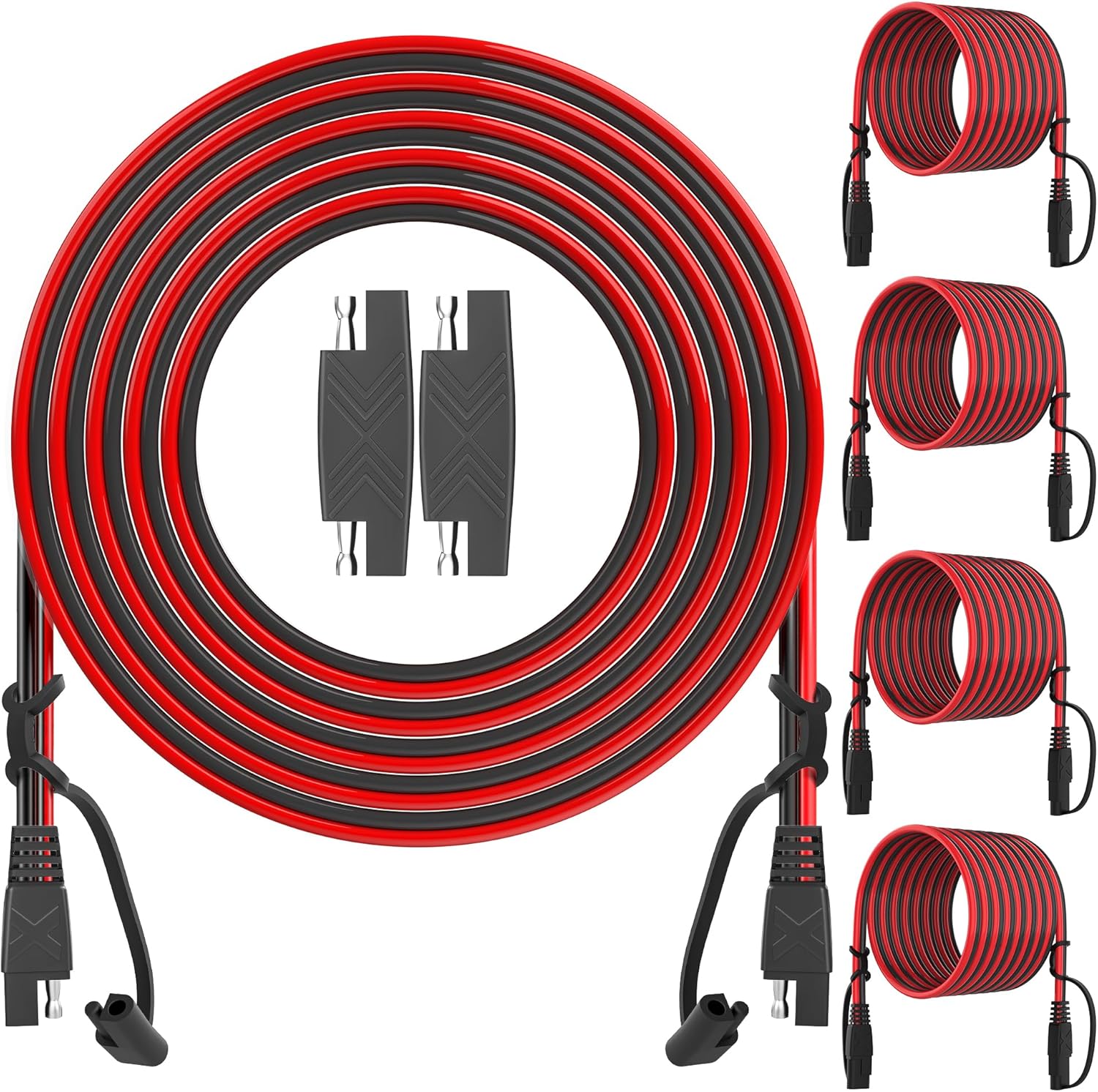 OYMSAE 25FT SAE Pack
|
Budget | Pack of four 25 ft SAE extension cords | Budget solar hookups & short runs | Check Price | ||
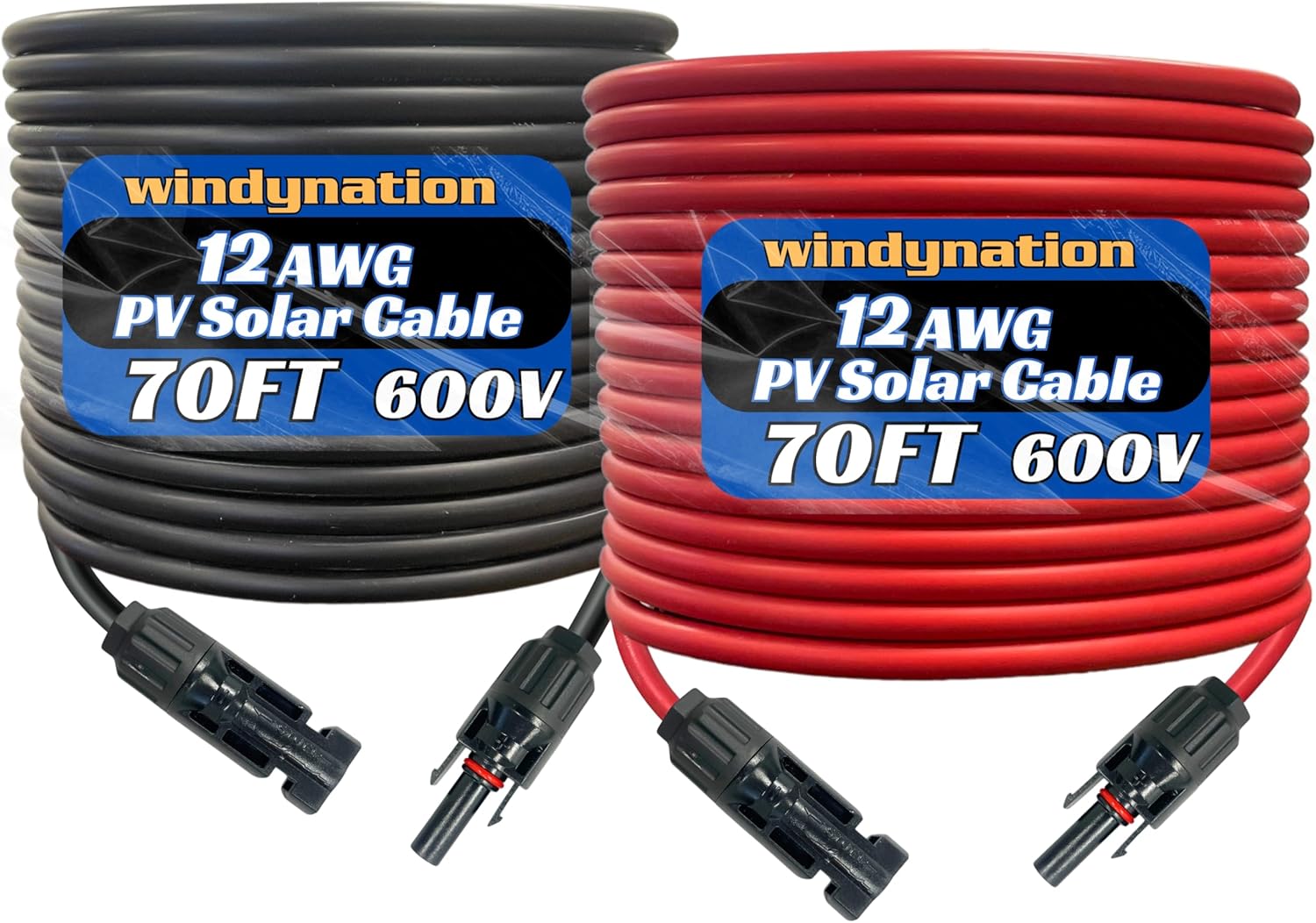 WindyNation 12AWG 70ft
|
Premium | UL4703 PV cable with IP67 PV connectors | Long outdoor runs and permanent solar installs | Check Price | ||
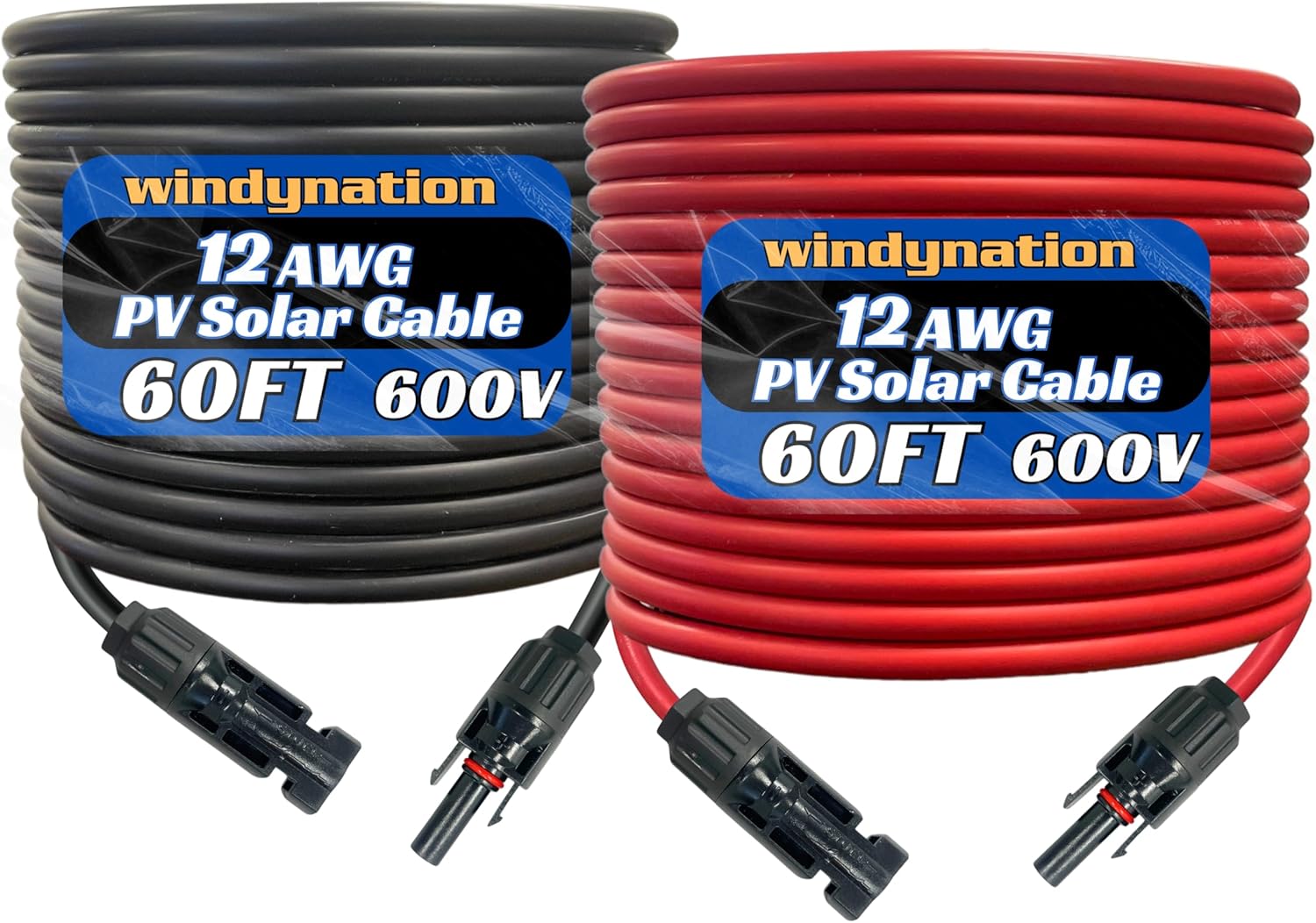 WindyNation 12AWG 60ft
|
Mid-Range | UL-rated PV cable with factory-crimped connectors | Mid-length runs and value-focused installs | Check Price |
1. OYMSAE 25Feet SAE to SAE Extension Cable Quick Disconnect Connector 16AWG, for Automotive Solar Panel Extension Cable Plug(25FT(16AWG)) Pack of 4
A low-cost SAE extension kit that is praised for length, easy plug-and-play connectors and included polarity adapters. It’s a practical, budget-friendly choice for short outdoor runs where heavy amperage isn’t required, but the thinner 16AWG wire limits max current and some buyers report mixed connection quality.
Key Specs
- Length: 25 feet per cable (pack of 4)
- Wire: SPT-2 16AWG copper conductors
- Connector: SAE quick-disconnect, includes polarity reverse adapter
- Protection: Connector cap to shield from rain and dust
Pros
- Lower cost than WindyNation options
- Easy, quick-connect SAE plugs—simpler install than separate crimps
- Better for tight runs and low-current setups than bulkier 12AWG cable
Cons
- 16AWG is thinner — lower amperage and less mechanical strength than 12AWG
- Some customers report mixed connection quality compared with premium PV connectors
Best For: Budget solar hookups & short runs
Check Latest Price on Amazon2. WindyNation 12 Gauge AWG Pair 70 Feet Black + 70 Feet Red PV Photovoltaic Solar Panel Extension Cable Wire Solar Connectors
Built for outdoor solar work, this 12AWG PV extension kit uses pure copper conductors, XLPE insulation and weatherproof PV connectors rated to IP67. It offers superior corrosion resistance and current capacity for longer runs; downsides include firmer stiffness and occasional customer reports of tough disconnects or connector breakage under misuse.
Key Specs
- UL4703 approved photovoltaic cable, 600V rated
- 12 AWG pure copper conductors (30A rating)
- Weatherproof PV connectors (IP67) with XLPE insulation
- Operating temp: -40°C to 90°C; rated for direct burial
Pros
- Stronger, thicker 12AWG wire — better mechanical strength than 16AWG
- Superior weatherproofing and UV/temperature resistance vs cheaper cables
- Built for long runs with low electrical loss (better for higher loads)
Cons
- Stiffer than thinner cable — harder to route in tight bends
- Some users report connector removal can be difficult or fragile under rough handling
Best For: Long outdoor runs and permanent solar installs
Check Latest Price on Amazon3. WindyNation 12 Gauge AWG Pair 60 Feet Black + 60 Feet Red PV Photovoltaic Solar Panel Extension Cable Wire Solar Connectors
This 60ft WindyNation kit packs the key outdoor-strength features of the 70ft kit — UL4703 PV cable, pure copper, weatherproof connectors and durable XLPE insulation — at a slightly lower price and shorter length. It’s the best value for medium runs where you want premium durability without premium length or cost.
Key Specs
- UL4703 photovoltaic wire, 600V rating
- 12 AWG pure copper conductors (30A rating)
- Weatherproof PV connectors and XLPE insulation
- Assembled in USA with quality control checks
Pros
- Better value than the 70ft for medium-length applications
- Same weather-resistance and current capacity as premium WindyNation option
- Easier to route than the 70ft if you need less slack
Cons
- Still stiffer than 16AWG alternatives
- Some mixed feedback on connector durability under extreme force
Best For: Mid-length runs and value-focused installs
Check Latest Price on AmazonWhich One Should You Choose?
If your top priority is long-term outdoor durability and electrical/mechanical strength — choose WindyNation 12AWG 70ft (B01D7VBPY8). It’s the best overall for permanent solar or heavy-duty outdoor runs because of its UL4703 rating, XLPE insulation and IP67 connectors. If budget is tight or you only need short, low-current links for battery tenders or temporary setups — choose the OYMSAE 25FT SAE pack (B0B2JLFCWS) for low cost and plug-and-play convenience. If you want the best balance of cost, install flexibility and weather resistance for mid-length runs, the WindyNation 12AWG 60ft (B01D7VBNKO) hits the sweet spot with the same rugged build as the 70ft at a slightly lower price point.
Best for Specific Scenarios
- Permanent solar array or long runs: WindyNation 12AWG 70ft — UL-rated, built for low loss and harsh climates.
- Temporary or low-current hookups: OYMSAE 25FT SAE pack — cheap, quick-connect and easy to store.
- Balanced installs (cost vs durability): WindyNation 12AWG 60ft — same rugged construction as premium but better value for medium runs.
Frequently Asked Questions
Is 12AWG always better than 16AWG for outdoor runs?
12AWG carries more current and has greater mechanical robustness than 16AWG, so it’s the better choice for long runs, higher amperage loads or when the cable will bear some tension. For short, low-current connections a 16AWG extension can be acceptable and saves cost and flexibility.
Do I need IP-rated connectors for outdoor use?
Yes — IP-rated connectors (IP67 or better) protect contacts from moisture and dust, reducing corrosion risk and improving long-term reliability. For exposed outdoor installations, prioritize cables with weatherproof connectors and UV-resistant insulation.
Can I use these cables with turnbuckles or ratchets for mechanical tensioning?
Cables designed for electrical use aren’t substitutes for load-bearing wire rope. If you must tension a cable carrying power, use corrosion-resistant clamps and strain relief hardware; use turnbuckles/ratchets on the structural line (stainless or galvanized) and keep electrical runs separate or properly supported to avoid placing mechanical loads on connectors.
How We Selected These Products
Our recommendations are based on data-driven analysis: we evaluated 126097+ products across 10753+ brands using a composite scoring system that weighs rating (40%), review volume (30%), price value (20%), and demand signals (10%). Every product is ranked by data, not opinions.
Last updated: May 21, 2026
As an Amazon Associate we earn from qualifying purchases at no extra cost to you. Full disclosure.
GardenVerve Score is our editorial ranking based on a composite analysis of product quality, value, and verified customer sentiment. Click through to Amazon for current pricing, availability, and live customer reviews.